COSA VISITARE NEI DINTORNI
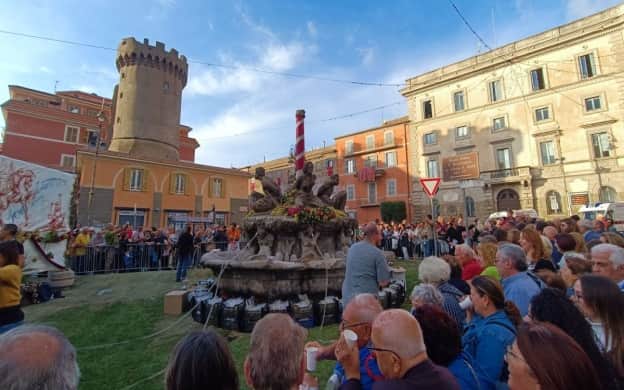
I Castelli Romani, 17 borghi sulle pendici di vecchi vulcani, sono una delle più apprezzate destinazioni turistiche vicine a Roma, rinomati per la storia, il paesaggio, l’enogastronomia, le ville e i palazzi storici, i parchi e i giardini.
Places not to be missed
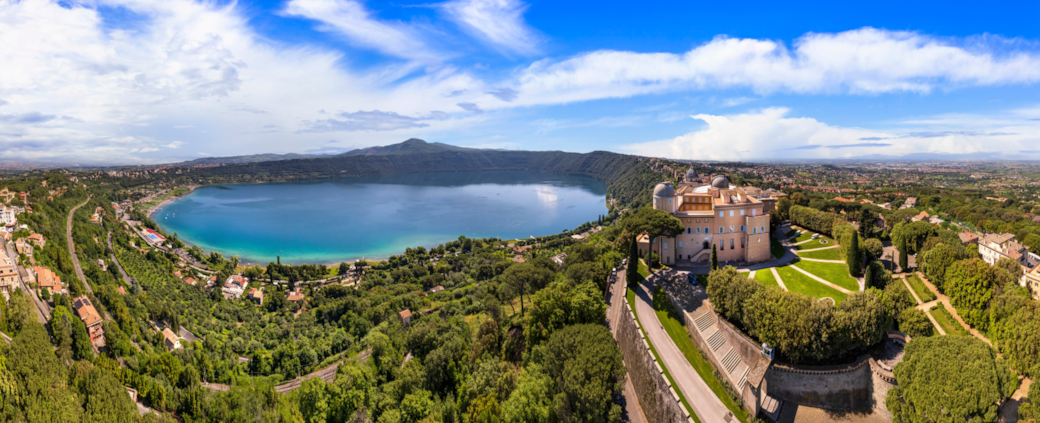
Castel Gandolfo
It is part of the circuits of the "most beautiful villages in Italy". The view of Lake Albano and the conical Monte Cavo offer a wonderful setting, worthy of a painting.
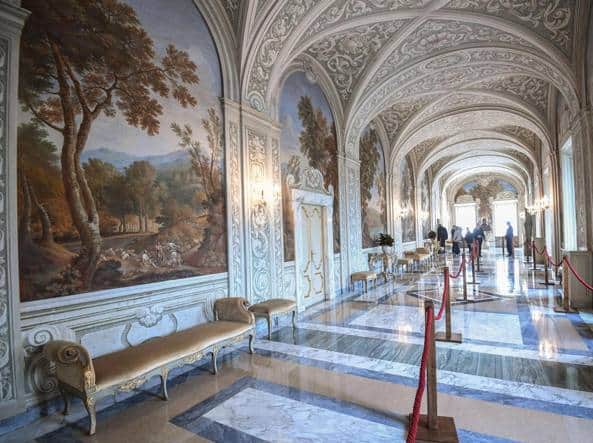
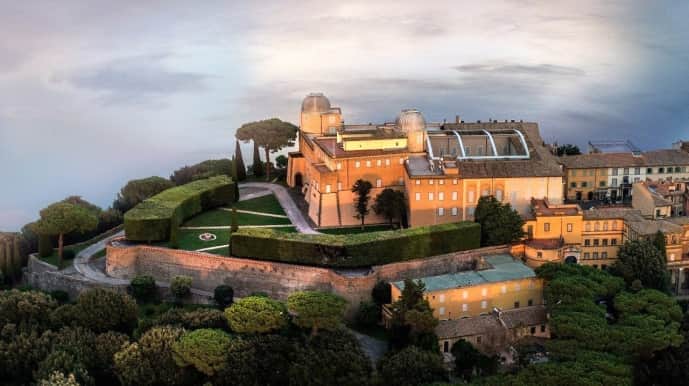
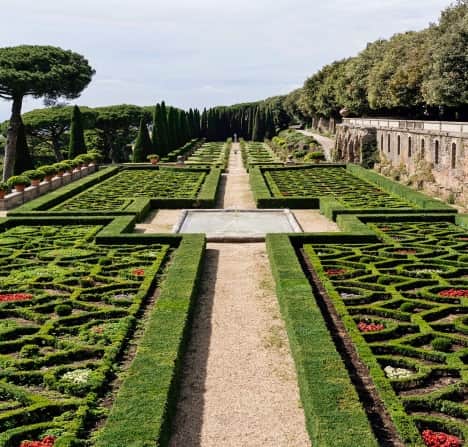
Known above all for the Papal Palace, a huge building including 55 hectares of gardens and Pontifical Villas, now part of a museum and part of a summer residence of the Popes.
An elegant fountain attributed to Bernini has adorned the central square of Castel Gandolfo for around four centuries. Gian Lorenzo Bernini is the most important Baroque sculptor and he took charge of all the works concerning Castel Gandolfo at the time of Pope Alexander VII (1599 – 1667).
In the same square you can see the first letterbox in the world.
Nemi
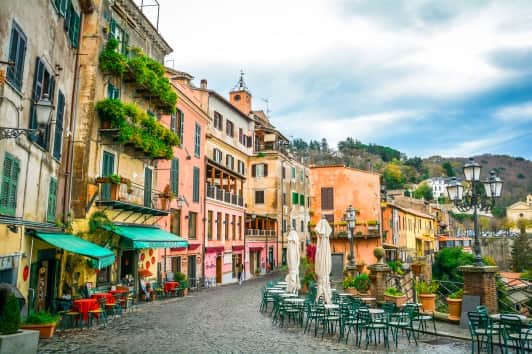
Nemi was also a destination for Grand Tour artists because of its picturesque location on Lake Nemi and the barren and wild nature around it. Compared to that of Albano in fact, Lake Nemi, also of volcanic origin, is smaller and has no beaches and the nature around hides old paths used already in Roman times. Of the same time the finds in the Museum of the Ships, born thanks to the excavations made during the drying up of the lake, in which we discover that the Emperor Caligula had a villa here and kept his ships anchored in the Mirror of Diana, so named at that time in honor of the goddess of hunting.
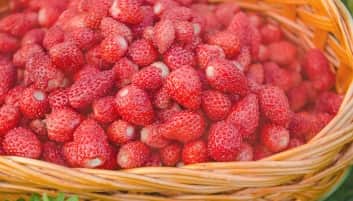
Nemi is famous, in the Castelli Romani, for this and for local productions, one of them is the Wild Strawberry to which is also dedicated the festival that takes place on the First Sunday of June. Nemi is the Orange Flag of the Italian Touring Club, a quality tourist label for small Italian towns.
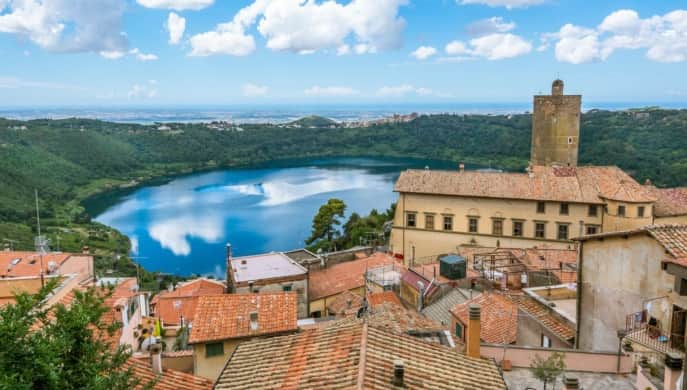
Frascati
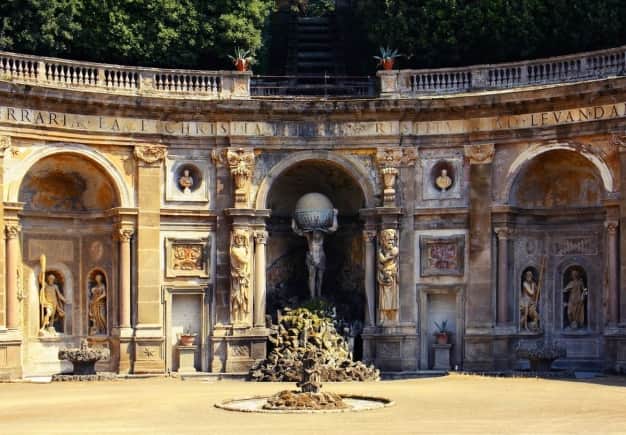
The Tuscolane Villas are residences of the late Renaissance or Baroque period, built by the Roman nobles both on the remains of ancient Roman dwellings and immersed in lush nature. The most famous are certainly the gardens of Villa Torlonia, Villa Falconieri and Villa Aldobrandini, reachable on foot from the center of Frascati and positioned on top of a hill, with a panoramic view to leave you speechless. The interior is private and unfortunately closed to the public. Its exterior, however, can be visited for free during opening hours.
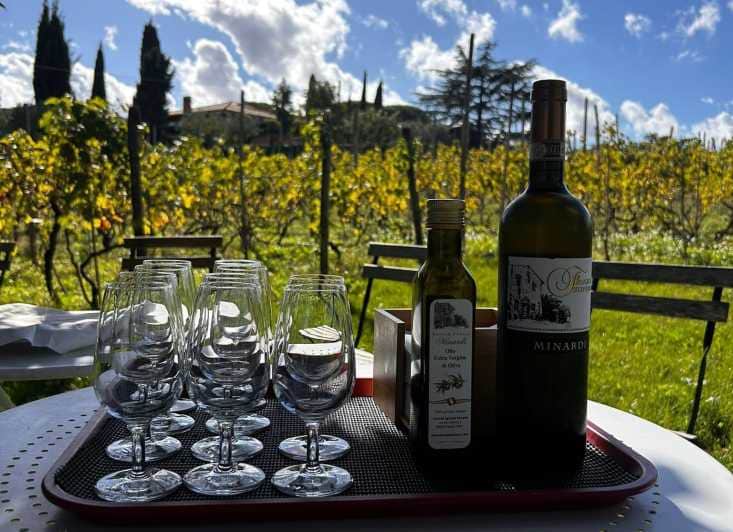
For all lovers of enograstronomy. Here are produced the DOCG Frascati Superiore and Cannellino and the Frascati DOP. The town is also home to fraschette, very simple taverns that offer bulk wine, served in carafes and not in the bottle, along with typical delicacies such as pasta dishes or platters of meats and cheeses.
Grottaferrata
Grottaferrata is today one of the most elegant and popular residential areas and holiday locations in the Castelli Romani region. The small town is particularly known for the Abbazia di San Nilo (Abbey of Saint Nilus) around which the residential area developed throughout the centuries. The Abbey is home to the Catholic Basilian monks who follow the Byzantine rite and following them on Sunday morning at mass is already worth a trip to the Castles.
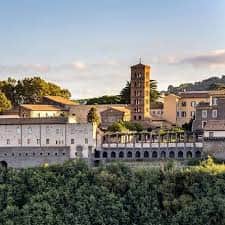
But the Abbey is enormous and its cloister, the cryptoporticus of an ancient Roman villa, the archaeological museum, the library where more than a thousand ancient manuscripts and around 50,000 volumes of great value are preserved and a famous laboratory are worth a visit. The side nave contains the Grotta Ferrata (crypta ferrata) hence the name of the village.
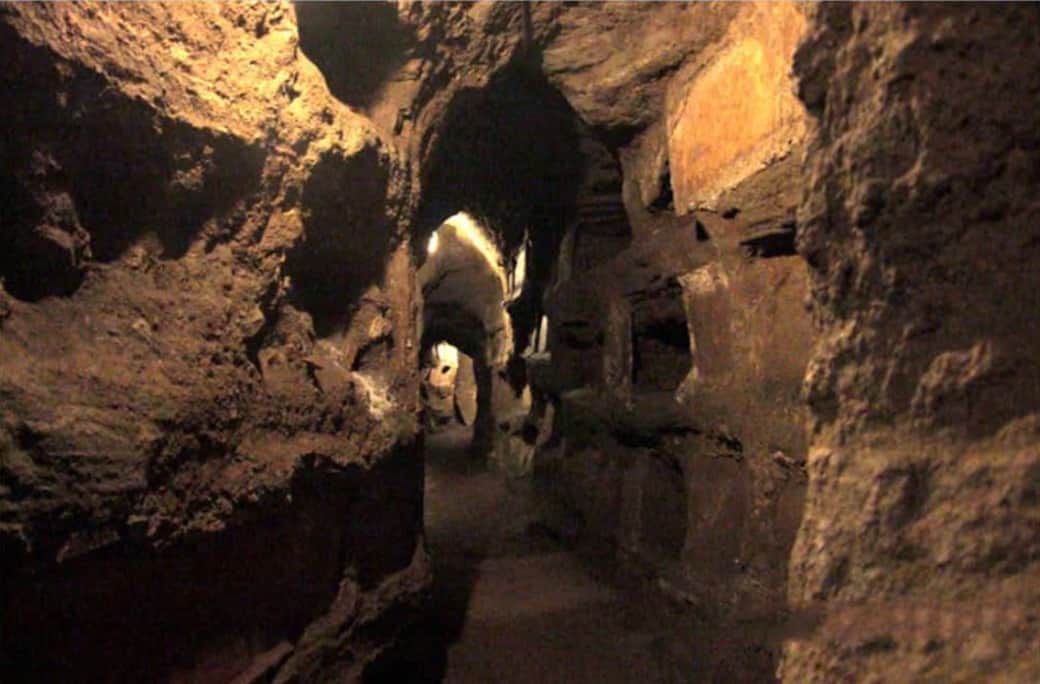
Noteworthy, are the well preserved Catacombe Ad Decimum (Catacombs Ad Decimum), just outside the town centre, as well as ruins of the ancient city of Tusculum, destroyed in 1191, to which the actual territory of Grottaferrata belonged.
Via Anagnina, 4 Grottaferrata
+39 06 945 9854 / +39 348 406 6708
guided visit every Sunday morning 10:30 am – 12:30 pm
Albano Laziale
Albano smells of antiquity and the three museums that enrich the city are testimony to this together with some churches such as the Church of San Pietro and the Church of the Rotonda which were built on pre-existing Roman buildings. The Amphitheater, the Porta Pretoria, the gigantic Cisterns, the city's water reserve, the baths of Caracalla, the Imperial Villa, the tomb of the Horatii and Curiazi, the catacombs of San Senatore rich in wall paintings, constitute the archaeological tour to be done when you are at the Castelli Romani.
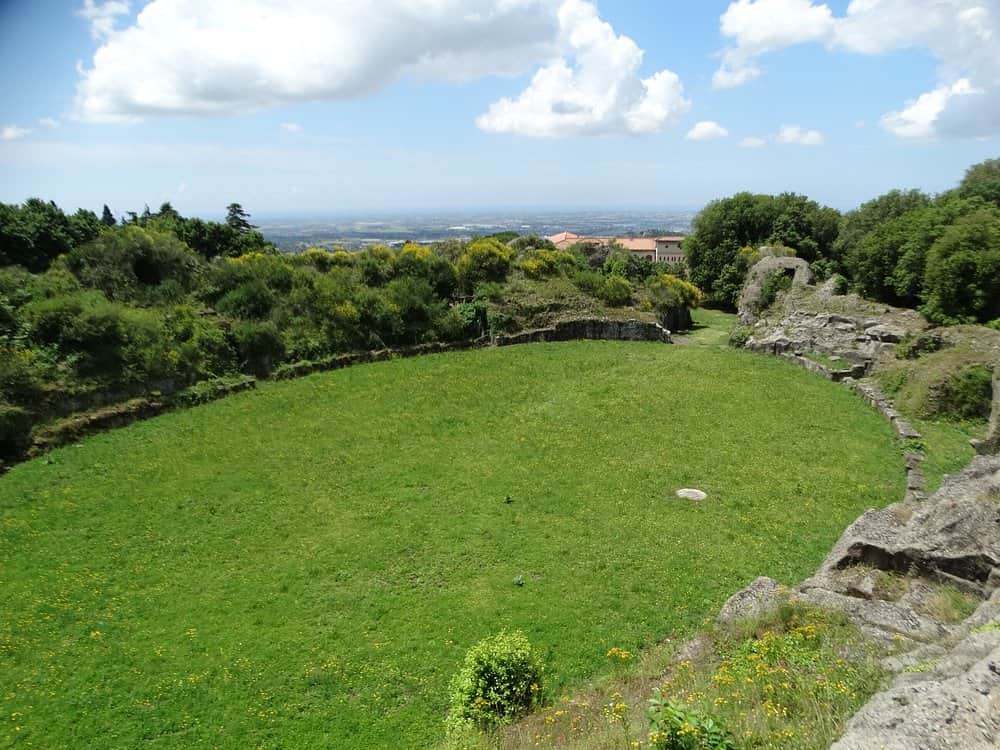
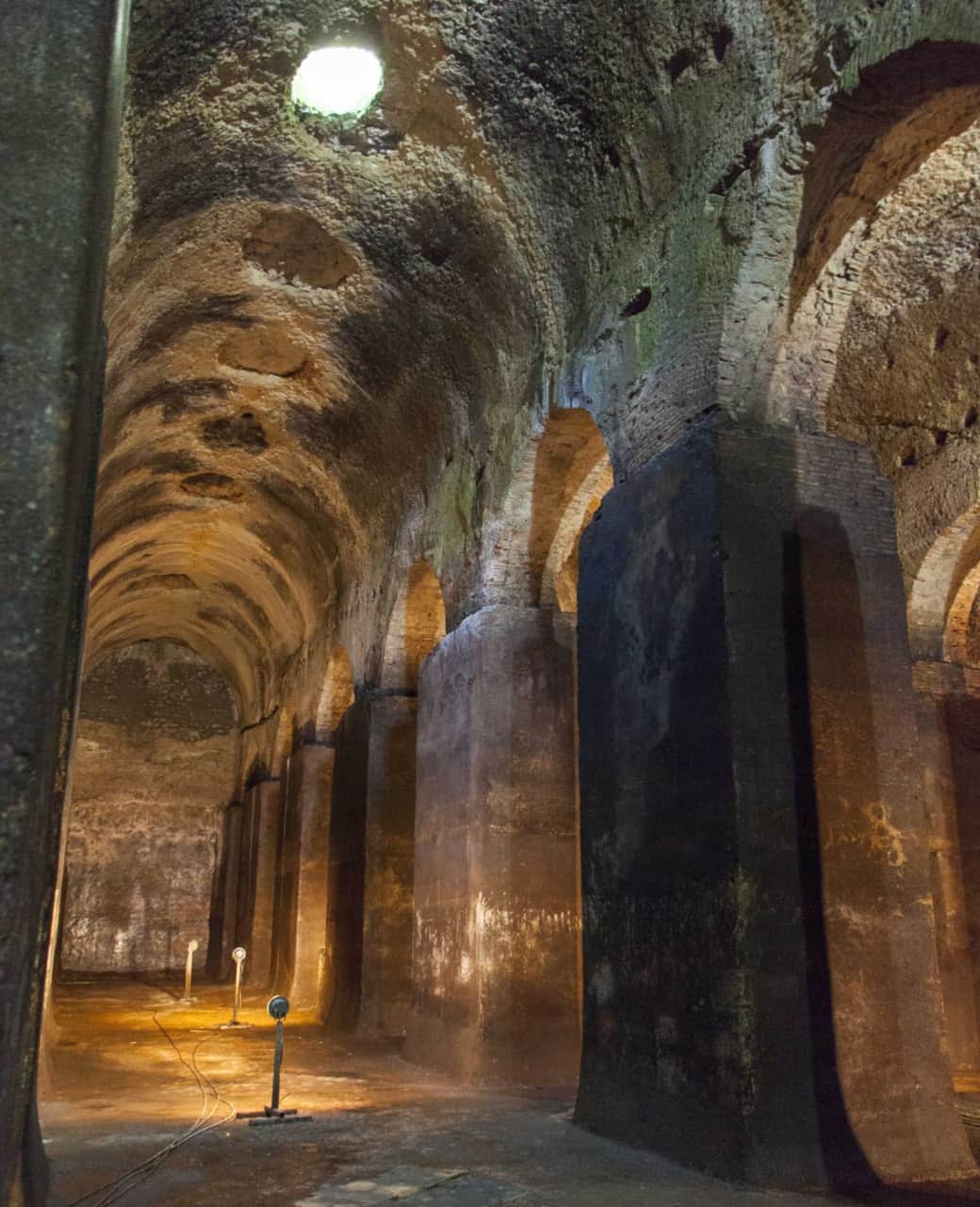
Cisterns:
Via Aurelio Saffi, 96 Albano
+39 06 932 5759 - +39 06 932 3490
Rocca di Papa
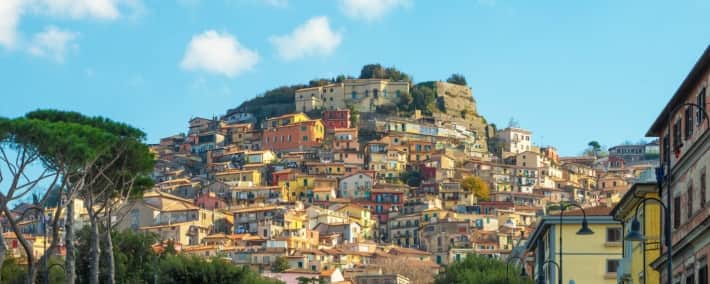
Rocca di Papa, or better 'A Rocca in dialect, is a charming town of the Castelli Romani perched on the slopes of Monte Cavo, a volcano extinct more than 10 thousand years ago.
It has a history similar to the other towns in the area, although with a curious fact: in 1855 the Republic of Rocca di Papa was established. Some rebels rebelled against the Papal States and declared independence. We do not know exactly how long this new republic has lasted, we think from a few days to a few months. Even today, in Piazza Garibaldi, there is a plaque commemorating the enterprise.
Inside the town there are also the ruins of the Papal Fortress. The archaeological site was recently inaugurated in 2011, after four years of work and excavations. The fortification was built in the 12th century and destroyed in the 16th century.
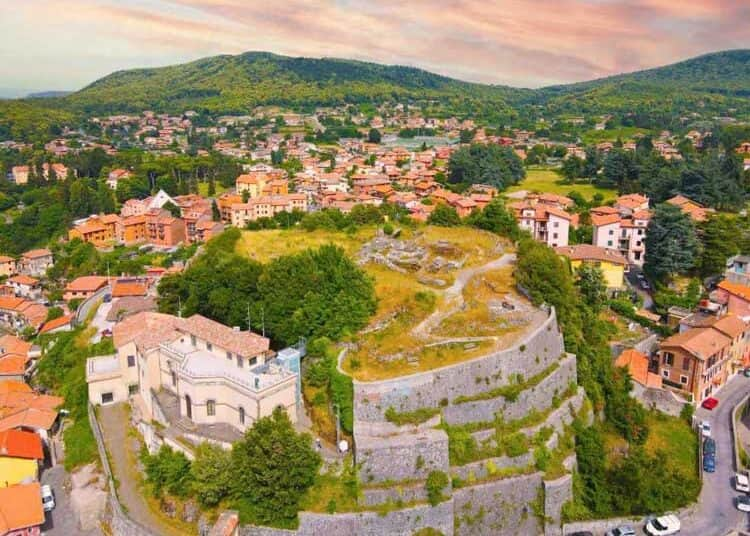
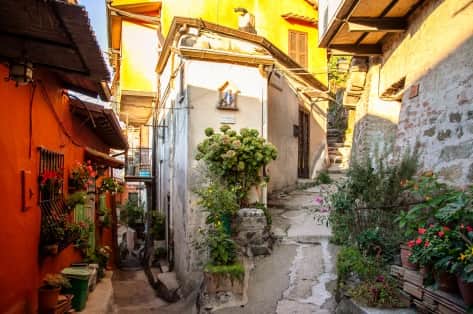
On clear days, from here you can enjoy a breathtaking view of the heart of the Castelli Romani arriving up to the Tyrrhenian Sea.
Ariccia

Those who love gastronomy will instinctively connect Ariccia to porchetta. The village of the Castelli Romani area, however, is not only pure eating luxury, it is also an ideal place for art lovers.
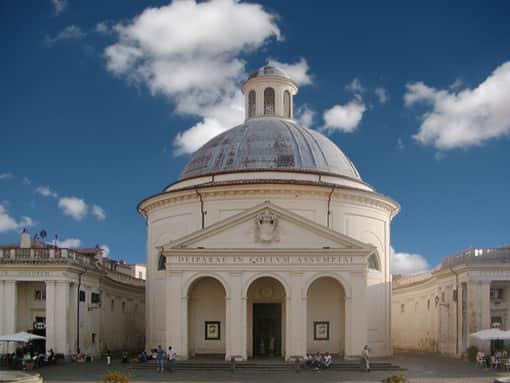
The beautiful Collegiate Church of Santa Maria Assunta was built to a design by Bernini and inspired by the most famous Pantheon in Rome. Today the Collegiate Church remains one of the main attractions of the Castelli Romani.
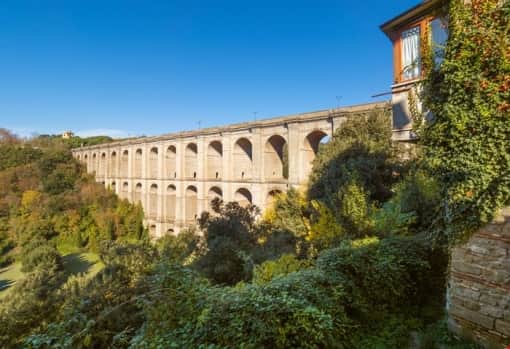
Not far from the main square, in fact, is the Bridge of Ariccia, a beautiful viaduct built in the mid-1800s to connect the territory to the Via Appia. Blown up by Nazi soldiers, it was then renovated after World War II.
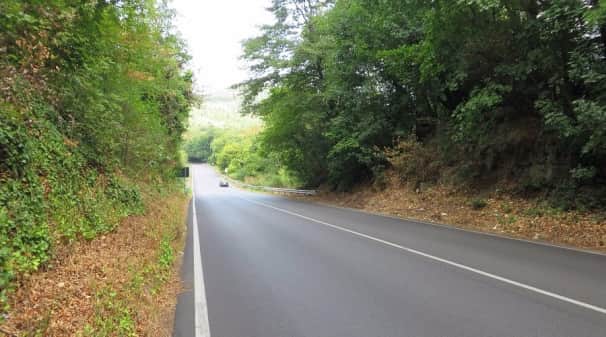
Strange place this where gravity seems to work in reverse: a bottle rolls uphill and so does a ball of any material. Real subversion of Newton's laws or simple optical illusion?
On Highway n. 218, between Rocca di Papa
and Ariccia (41°44′05″N 12°41′30″E).
Marino
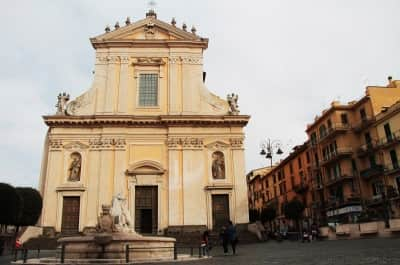
Marino, nestled between Rocca di Papa and Castel Gandolfo, is a small town with a troubled pre-Roman, Roman and medieval history. It has not yet been understood from where its name derives, the theories and studies made about it are many and different from each other. One thing is certain: it was one of the major centers of trade of the Alban Hills.
Today it is known for the typical products of the cuisine of the castles but especially for its homonymous DOC wine from which the Grape Festival is also born, which takes place on the first Sunday of October since 1925. It was created by the Roman poet Leone Ciprelli, born in Marino, but in these areas has always been produced wine, since Roman times.